"Why Me?" A Guide to the Real Causes of Postpartum Depression
Written by
Phoenix Health Editorial Team
Expert health information, double-checked for accuracy and written to be helpful.
Last updated
The Most Important Thing to Know: It Is Not Your Fault
In the depths of postpartum depression, a painful, looping question often takes over: "Why is this happening to me? What did I do wrong?" You might blame yourself, believing that if you were stronger, a better mother, or more grateful, you wouldn't feel this way. It's a heavy burden of shame to carry on top of an already heavy illness.
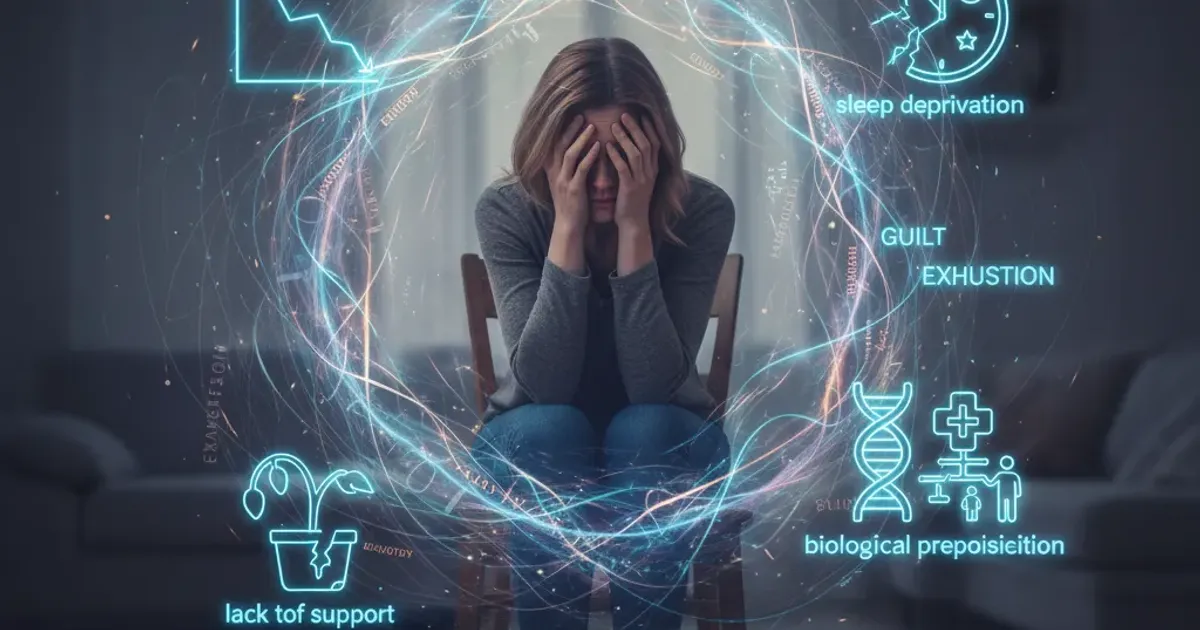
Let us be perfectly clear: is not your fault. It is not a character flaw, a sign of weakness, or a reflection of your love for your baby. It is a common and treatable medical complication of childbirth, just like gestational diabetes or high blood pressure. PPD is caused by a complex mix of biological, psychological, and social factors that are far beyond any one person's control. Understanding the real causes can be the first step in releasing the blame and recognizing that you deserve compassionate, effective medical care.
PPD Is a Medical Condition, Not a Personal Failure
You cannot "snap out of" postpartum depression any more than you could "snap out of" the flu. Your brain and body are experiencing massive physiological and hormonal shifts while under immense stress. The feelings you have are a result of this perfect storm, not a choice you are making.
Letting Go of Shame and Self-Blame
Shame thrives in silence and isolation. By learning about the legitimate, science-backed causes of PPD, you can begin to externalize the illness. It is something that is happening to you, not something that you are. This shift in perspective is a crucial part of the recovery process.
The Biological Drivers: A Perfect Storm of Physical Changes
Many of the primary drivers of PPD are purely physical. Your body goes through more dramatic changes in the hours and days after birth than at almost any other time in your life.
The Postpartum Hormone Plunge
During pregnancy, levels of hormones like estrogen and progesterone are at an all-time high. Within 24-48 hours after delivery, they plummet back to pre-pregnancy levels. This dramatic crash can trigger chemical changes in the brain that lead to depression, similar to how smaller hormonal shifts can affect mood before a menstrual period. A sharp drop in thyroid hormones can also contribute to feelings of fatigue and depression.
The Crushing Weight of Sleep Deprivation
The sleep deprivation of the newborn phase is not just normal tiredness; it is a form of chronic, severe disruption that has a profound impact on your mental health. Lack of sleep impairs your ability to regulate emotions, manage stress, and think clearly, making you significantly more vulnerable to developing depression.
Other Physical Factors: Thyroid Issues and Overall Health
Postpartum thyroiditis, a condition where the thyroid gland becomes inflamed after birth, can cause symptoms that mimic depression. It's important for a healthcare provider to rule out underlying physical causes or contributors to your symptoms.
Psychological and Emotional Factors: The Invisible Load
Your emotional landscape and personal history also play a significant role in your risk for developing PPD.
Personal and Family History of Mental Health Conditions
Having a personal or family history of depression, anxiety, or bipolar disorder is one of the strongest predictors of PPD. This indicates a potential genetic predisposition that can be activated by the stress and hormonal shifts of the postpartum period.
The Immense Pressure and Identity Shift of Motherhood
The responsibility of caring for a fragile newborn 24/7 is a huge source of anxiety. This is coupled with a profound shift in your personal identity. The loss of your old self and the struggle to adapt to your new role can be disorienting and emotionally taxing. This is a common experience, even in a presentation.
A Traumatic Birth Experience
A birth that was physically or emotionally traumatic can be a major trigger for postpartum depression and PTSD. The unresolved fear and helplessness from that experience can cast a long shadow over the postpartum period.
Social and Environmental Stressors: Your World Turned Upside Down
You are not raising a baby in a vacuum. Your environment and the support you receive (or don't receive) have a direct impact on your mental health.
The Critical Role of a Support System (or Lack Thereof)
Feeling isolated and unsupported is a major risk factor for PPD. Conversely, having a strong support system—a helpful partner, engaged family, and understanding friends—is a powerful protective factor.
Relationship Strain and Financial Worries
A new baby can put immense strain on a couple's relationship. Conflict, communication breakdowns, and financial stress can all contribute to the onset or worsening of depression. The immense stress can also lead to a long recovery journey, as we explore in our guide on .
Societal Pressure to Be a "Perfect" Mother
The unrealistic expectations placed on new mothers by social media and society at large can create intense feelings of inadequacy and shame. When your reality doesn't match the curated images of blissful motherhood, it's easy to feel like you are failing.
Can You Prevent Postpartum Depression?
While you can't always prevent PPD, you can take steps to reduce your risk, especially if you know you have several risk factors.
Knowing Your Risk Factors
Being aware of your personal and family history is key. If you've had depression before, or if it runs in your family, you can be proactive about monitoring your mental health and having a support plan in place.
Building Your Postpartum Plan
Just as you have a birth plan, creating a postpartum plan can be incredibly helpful. This involves talking with your partner about the division of labor, organizing a meal train, and identifying who you can call for help when you're feeling overwhelmed. Sometimes, the trigger for PPD can appear much later, so knowing the signs of is also part of a good plan.
Understanding Your Story to Find the Right Help
Because PPD is caused by a mix of factors, effective treatment often involves a multifaceted approach. Therapy can help you process emotional triggers and develop coping skills, while medication can address the biological and hormonal components. Understanding the unique combination of factors that contributed to your PPD can help you and your provider create a personalized and effective treatment plan.
You don't have to figure this out alone. Schedule a free, confidential consultation with a Phoenix Health care coordinator to discuss your options and find the right support for you and your family.
Frequently Asked Questions
PPD has multiple overlapping causes: the dramatic hormonal drop after birth, sleep deprivation, identity upheaval, relationship changes, birth trauma, prior mental health history, and lack of social support. It's never caused by a single factor, and it's never caused by not loving your baby enough.
Hormones are a significant trigger — particularly the rapid drop in estrogen and progesterone after birth, which affects serotonin and other neurotransmitter systems. But hormones alone don't explain everything. The neurobiological changes interact with psychological and social factors.
Birth trauma is a significant risk factor for PPD and postpartum PTSD. A frightening, painful, or medically complicated birth can activate a prolonged stress response that contributes to depression. Not every difficult birth leads to PPD, but the connection is real.
Family history of depression is a risk factor — there's a genetic component to mood vulnerability. But genetics aren't destiny. Proactive support during pregnancy, good sleep infrastructure, a strong support network, and early therapy can meaningfully reduce risk even with family history.
Yes — about half of PPD cases begin during pregnancy rather than after birth. Prenatal depression is often underrecognized. Our article on causes of postpartum depression explains both the prenatal and postpartum onset patterns in detail.
Ready to get support for Postpartum Depression?
Our PMH-C certified therapists specialize in Postpartum Depression and can typically see you within a week.