Postpartum Anxiety in Austin: What It Actually Looks Like

Written by
Expert health information, double-checked for accuracy and written to be helpful.
Last updated
Written by
Expert health information, double-checked for accuracy and written to be helpful.
Last updated
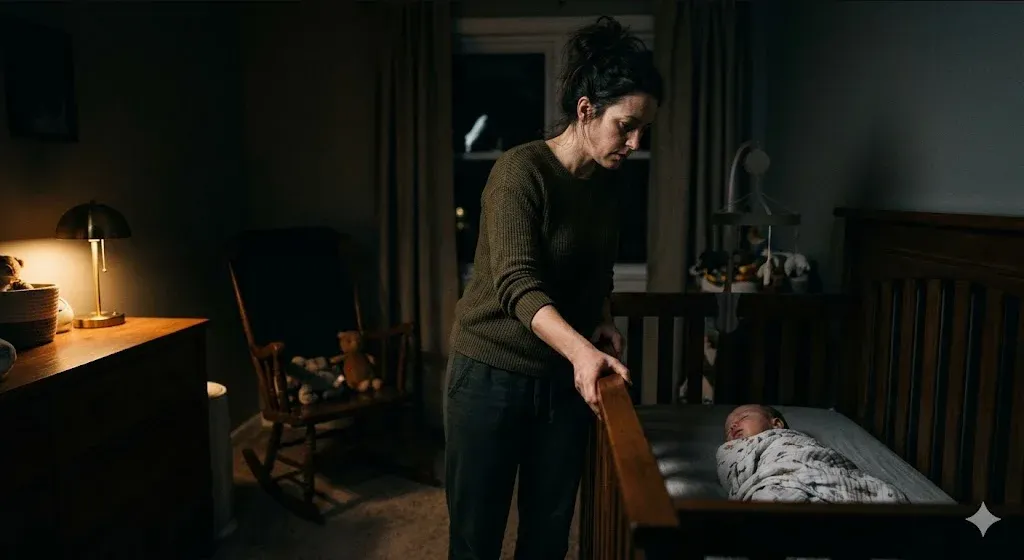
You researched the car seat installation four times. You check on the baby in the night more than the pediatrician told you to. The worry is constant, not dramatic, not paralyzing, just always there, a hum underneath everything you do. You tell yourself this is what good parents do.
It might be postpartum anxiety. And in Austin's culture of doing everything intentionally and doing it well, it is especially easy to mistake a clinical anxiety condition for the natural behavior of a conscientious parent.
Postpartum Anxiety vs. Postpartum Depression: The Difference
Postpartum depression gets more attention, but postpartum anxiety is more common. Studies estimate that between 15 and 20 percent of new mothers experience postpartum anxiety that meets clinical criteria for treatment, compared to roughly 10 to 15 percent for postpartum depression. Many women experience both.
The presentations are different. Postpartum depression often looks like low mood, numbness, disconnection from the baby, loss of interest in things that used to matter. Postpartum anxiety often looks like the opposite: hypervigilance, racing thoughts, difficulty sleeping even when the baby is asleep, constant worry about the baby's safety, physical symptoms like a tight chest or restlessness, and a persistent sense that something bad is about to happen.
Postpartum anxiety can also show up as irritability, a short fuse, a hair trigger, rather than obvious worry. For partners watching from the outside, this can look like relationship friction rather than a health condition.
Why It's Easy to Miss in Austin
Austin has a particular culture: ambitious, wellness-forward, achievement-oriented, and publicly oriented around appearing to thrive. It is a city where people work hard and also go to therapy and also train for half-marathons and also track their sleep. Mental health awareness is relatively high.
This creates a specific paradox: the cultural fluency around wellness can make it harder to recognize when the anxiety has crossed from normal new-parent worry into a clinical pattern that needs treatment. If you are already doing all the "right things", journaling, exercising, going to the mom group, and you are still not okay, it can be confusing to name what's wrong.
Austin's high proportion of transplant families compounds this. If your family is in Ohio and your closest friends are in their own newborn chaos, the informal daily reality check that would catch "this is more than normal worry" doesn't happen. There is no one around long enough to notice the pattern.
Postpartum Anxiety and Intrusive Thoughts
One of the most distressing and least talked-about features of postpartum anxiety is intrusive thoughts, unwanted, disturbing mental images or thoughts about harm coming to the baby. Imagining dropping the baby, imagining an accident, imagining something terrible happening.
These thoughts are more common than most people know. They are not a sign that you want to harm your baby, or that you are a bad parent, or that you are dangerous. They are a symptom of a heightened, hypervigilant nervous system, the same system that is making you check on the baby too many times. The thoughts are distressing precisely because you do not want them to be true.
If you are experiencing intrusive thoughts, tell your therapist or doctor. They are within the scope of treatment for postpartum anxiety and perinatal OCD, and they respond well to the right intervention. Many people never mention them because they are ashamed. The shame is unwarranted.
Finding a Perinatal Specialist in Austin
Austin has therapists. It does not have enough perinatal specialists, therapists with PMH-C certification, the credential from Postpartum Support International for advanced training in postpartum and perinatal conditions. The wait at in-network PMH-C practices in Austin and the surrounding communities, Round Rock, Cedar Park, Georgetown, Kyle, Pflugerville, typically runs four to eight weeks.
Four to eight weeks is a long time when the anxiety is affecting your sleep, your relationships, and your ability to enjoy this period of your life. If you are in that position, a telehealth practice that operates statewide can typically see you within one to two weeks. Sessions happen by secure video, which removes the Mopac traffic problem and fits into the actual shape of a day with a newborn.
Insurance Coverage for Postpartum Anxiety
Postpartum anxiety is covered by health insurance under mental health parity law, both federal (MHPAEA) and Texas-specific (Tex. Ins. Code Ch. 1355). Your plan cannot apply stricter limits to mental health coverage than to comparable medical coverage. Telehealth sessions are covered.
Most clients with major Texas insurance plans, Aetna, Blue Cross Blue Shield, Cigna, United Healthcare, pay less than $30 per session. Before your first appointment, ask the practice to verify your specific benefits, including your copay and whether your deductible applies.
When to Reach Out
You do not need to wait until the anxiety is debilitating. You do not need a dramatic story. If the worry is constant and won't switch off, if you are not sleeping even when the baby is asleep, if intrusive thoughts are there, if you feel on edge in a way that doesn't seem proportionate, that is enough.
Earlier intervention means faster recovery. Postpartum anxiety responds well to treatment. The months you spend waiting to see if it resolves on its own are months you do not get back.
Frequently Asked Questions
- Yes, though they can occur together. Postpartum depression typically involves low mood, numbness, and disconnection. Postpartum anxiety typically involves hypervigilance, racing thoughts, difficulty sleeping even when the baby sleeps, and a persistent sense that something bad is about to happen. Anxiety is more common than depression in the postpartum period.
- Intrusive thoughts are unwanted, disturbing mental images or thoughts about harm coming to the baby. They are a symptom of a heightened, hypervigilant nervous system and do not indicate intent to act on them. They are far more common than most people know and respond well to the right treatment.
- With treatment, most people see meaningful improvement within 8 to 16 sessions of therapy. Without treatment, postpartum anxiety can persist for a year or longer. Earlier intervention produces faster recovery.
- Look for PMH-C certified therapists with specific training in perinatal anxiety. In Austin and surrounding communities, in-person wait times run four to eight weeks at most in-network practices. Telehealth practices operating statewide typically schedule within one to two weeks.
- Yes. Texas parity law (Tex. Ins. Code Ch. 1355) requires insurers to cover mental health benefits at the same level as comparable medical benefits. Postpartum anxiety is a covered condition under behavioral health benefits for most major plans, including Aetna, Blue Cross Blue Shield, Cigna, and United Healthcare.
Ready to get support for Postpartum Anxiety?
Our PMH-C certified therapists specialize in Postpartum Anxiety and can typically see you within a week.
Not ready to book? Dr. Emily writes a short email series on Postpartum Anxiety, honest and practical, from a PMH-C therapist who's been through it herself.
No spam · Unsubscribe anytime