Postpartum Depression in Texas: Why Getting Help Is Harder Than It Should Be

Written by
Expert health information, double-checked for accuracy and written to be helpful.
Last updated
Written by
Expert health information, double-checked for accuracy and written to be helpful.
Last updated
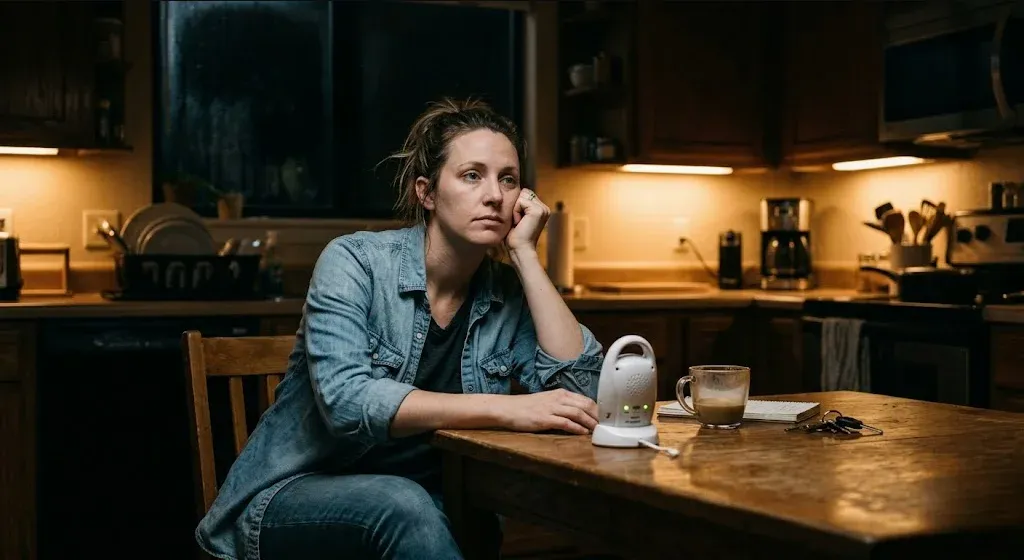
You are four weeks postpartum, it is 103 degrees outside, and you have not left the house in six days. You told yourself the isolation was about the heat. But the heat has lifted and you still don't want to go anywhere. You still don't feel like yourself. You're not sure what you feel, exactly, except that something is wrong and you can't explain it to anyone.
That is postpartum depression. And in Texas, it is exceptionally easy to miss.
Why Postpartum Depression Is Hard to Recognize in Texas
Texas has several structural features that make the postpartum period harder than it needs to be and make PPD easier to dismiss. None of them are your fault. They are the physical and cultural facts of life here, and they interact with postpartum neurology in predictable ways.
The heat is the most literal one. From May through September, most parts of Texas are functionally unlivable outdoors for large stretches of the day. The casual social contact that holds new parents together in other seasons and climates, a neighbor's wave, a park meetup, sitting on a porch, gets replaced with weeks of indoor isolation at exactly the moment when isolation is most dangerous. Postpartum depression and postpartum anxiety both worsen in the absence of low-effort human contact.
The sprawl compounds it. Texas cities are not designed for the kind of walkable, impromptu social life that functions as informal mental health support. Getting to a friend requires a 40-minute drive. The in-person support group meets at 10am on a Wednesday across town. The logistics alone are enough to make help feel unreachable.
Then there is the cultural weight. Across Texas's large Hispanic, South Asian, and West African communities, and in the broader Southern culture of toughness and self-reliance, there is a deep norm around handling things privately. New mothers are supposed to be strong. Saying that you are struggling feels like a betrayal of that expectation. So many women don't say it. They wait, and the window where treatment works fastest closes.
What Postpartum Depression Actually Looks Like
Postpartum depression is not a single, obvious thing. It does not always look like uncontrollable crying. It can look like numbness. Like going through the motions without feeling anything. Like irritability that comes out of nowhere and is directed at the people you love most. Like a conviction that something terrible is about to happen, even when nothing is wrong.
About 1 in 5 new mothers develop postpartum depression. It is the most common complication of childbirth, more common than gestational diabetes, and it is fully treatable. Most people who receive appropriate care see significant improvement within weeks.
The condition can start at any point in the first year after delivery. Many women think they are past the risk window at three or four months postpartum. They are not. PPD that starts at five or six months is still PPD, and it still responds to treatment.
What it does not respond to is waiting for it to resolve on its own. Without treatment, postpartum depression can persist for a year or longer. The research on this is consistent: earlier intervention leads to faster, more complete recovery.
Why Texas Mothers Often Don't Seek Help Until Later
The six-week postpartum appointment is the primary PPD screening opportunity in most obstetric practices. It is not enough. Many women are not yet showing clear symptoms at six weeks. Others screen negative and develop PPD at three months. The appointment is brief, the questions are standardized, and many women, particularly those who are worried about how they will be perceived, underreport what they are actually experiencing.
After that appointment, the system largely doesn't check in again. There is no follow-up call at four months, no second screening at six months. Women are expected to self-identify a problem and self-initiate care, at a time when executive function is depleted by sleep deprivation and a new baby's constant demands.
For women in Texas's rural areas and smaller cities, the geography adds another layer. A perinatal mental health specialist within a reasonable drive is not available in most of the state. The Texas Medical Center is the world's largest medical complex, and PMH-C certified therapists, the specialists trained specifically in postpartum mental health, are still harder to find there than a general therapist with a short wait list.
What PMH-C Certification Means and Why It Matters
PMH-C stands for Perinatal Mental Health Certification, awarded by Postpartum Support International to therapists who have completed advanced training in postpartum depression, perinatal anxiety, birth trauma, OCD, and related conditions. It is the clinical credential for this specific specialty.
A general therapist is not the same as a PMH-C certified therapist. A general therapist may be excellent for many things. They may not have specific training in the way hormonal changes after birth interact with mood disorders, or in the treatment protocols that work best for perinatal OCD, or in the distinction between birth trauma and standard PTSD. When the problem is perinatal, the specialist training matters.
This is not to say general therapists cannot help. Many do. But when you are looking for care in Texas, looking specifically for PMH-C certification is worth the extra effort. The search filters on the Postpartum Support International provider directory let you search by certification and location.
How Online Therapy Changes the Access Problem
Telehealth is not a compromise. For postpartum mental health care specifically, it removes the three biggest barriers to getting help: the drive, the childcare, and the wait.
The drive is real in Texas. An hour on 35 or I-10 or 59 with a newborn in the back is not nothing. A 50-minute session that requires two hours of logistics around it is a session many women will reschedule until the problem gets bad enough that it can't wait anymore.
Online therapy happens from wherever you are. From the car in your driveway during a nap. From the kitchen after bedtime. From your bedroom with the door closed. It fits into the actual shape of your day in a way that an office appointment often doesn't.
The wait time is the other difference. In-network perinatal specialists at major Houston, Dallas, and Austin practices often have wait lists of four to eight weeks. A telehealth practice that operates statewide can typically schedule an intake within a week. For postpartum depression, a week matters.
Insurance Covers This
Under the Mental Health Parity and Addiction Equity Act (MHPAEA) and Texas's own state parity statute (Tex. Ins. Code Ch. 1355), health insurers operating in Texas cannot impose more restrictive limits on mental health coverage than on comparable medical benefits. Telehealth mental health sessions are covered by most major plans at the same rate as in-person visits.
Before your first session, a reputable practice will verify your specific benefits, including your copay and deductible, so there are no surprises. Most clients with insurance pay less than $30 per session. Some pay nothing until they've met their deductible. If you have Aetna, Blue Cross Blue Shield, Cigna, United Healthcare, or most major Texas insurance plans, coverage is likely available.
When to Reach Out
You do not need to be in crisis. You do not need a score on a screening tool that crosses a threshold. You do not need to wait until you cannot function.
If the postpartum period feels harder than it should, if you are not sleeping even when the baby sleeps, if the worry is constant and won't shut off, if you feel disconnected from your baby or your own life, if something just feels wrong even if you can't name it precisely, that is enough of a reason to talk to someone.
Starting earlier leads to faster improvement. The months you spend waiting for it to resolve on its own are months of a harder experience than you need to have.
Frequently Asked Questions
- Postpartum depression often looks like numbness, irritability, or constant worry rather than obvious crying. In Texas, heat-driven isolation, geographic sprawl, and cultural norms around toughness make symptoms harder to name and easier to dismiss. About 1 in 5 new mothers develop postpartum depression, and it is fully treatable.
- Without treatment, postpartum depression can persist for a year or longer. With appropriate care, most people see significant improvement within weeks. Earlier intervention consistently produces faster and more complete recovery.
- PMH-C stands for Perinatal Mental Health Certification, awarded by Postpartum Support International to therapists with advanced training in postpartum depression, perinatal anxiety, birth trauma, and related conditions. It is the specialty credential for this area, and the distinction from a general therapist matters clinically.
- Yes. Texas parity law (Tex. Ins. Code Ch. 1355) and the federal Mental Health Parity and Addiction Equity Act require insurers to cover mental health at the same level as comparable medical benefits. Most major Texas plans, including Aetna, Blue Cross Blue Shield, Cigna, and United Healthcare, cover postpartum therapy. Most clients pay less than $30 per session.
- It is never too late, but starting earlier produces faster recovery. Postpartum depression that begins at five or six months is still postpartum depression and still responds to treatment. If you are struggling, now is the right time to reach out.
Ready to get support for Postpartum Depression?
Our PMH-C certified therapists specialize in Postpartum Depression and can typically see you within a week.
Not ready to book? Dr. Emily writes a short email series on Postpartum Depression, honest and practical, from a PMH-C therapist who's been through it herself.
No spam · Unsubscribe anytime