Supporting Your Partner Through Miscarriage: A Dad's Guide

Written by
Expert health information, double-checked for accuracy and written to be helpful.
Last updated
Written by
Expert health information, double-checked for accuracy and written to be helpful.
Last updated
Understanding What She's Going Through
Miscarriage is more than a medical event. It's a deep loss that affects your partner both physically and emotionally in ways that can be hard to see from the outside. Understanding what she's going through is the first step toward giving her real support.
The Physical Toll of Miscarriage
Physically, miscarriage means her body is ending the pregnancy. This usually involves vaginal bleeding (ranging from spotting to heavy flow, sometimes with clots or tissue), cramping pain that is often stronger than period cramps, and lower back pain. The duration varies. Bleeding may last a week or two, sometimes longer. Depending on when and how the miscarriage happens, she may need medical care, such as medication to help pass the tissue or a procedure called a D&C (dilation and curettage).
Her body also goes through major hormonal shifts. Pregnancy hormones drop sharply, which can cause fatigue, mood swings, and physical discomfort like breast tenderness fading away. Recovery takes time. It can be weeks or even months before her body regulates, and her first few periods may feel different. Keep this in mind: common activities like exercise, sex, work, or stress do not cause most miscarriages. The most frequent cause, especially in the first trimester, is chromosomal abnormalities. These are random events that are no one's fault. Remind her of that often.
The Emotional and Psychological Impact
The emotional weight of miscarriage is often heavier than the physical recovery, and it lasts longer. Your partner is grieving the loss of a baby, a future she imagined, and the hopes tied to that pregnancy. Even in early pregnancy, a deep bond often forms. Common feelings include deep sadness, shock, anger (sometimes aimed at herself, her body, you, or even friends with healthy pregnancies), guilt, and a sense of failure or emptiness.
She may feel like her body let her down, adding another layer of pain. Some women develop symptoms of anxiety, depression, or post-traumatic stress disorder (PTSD) after miscarriage. One study found that nearly one in three women met PTSD criteria just a month after early pregnancy loss. Grief isn't a straight line. She may seem okay one day and overwhelmed the next. Be aware of triggers like seeing pregnant women, babies, or pregnancy announcements. These can bring pain to the surface without warning. Understanding the depth and complexity of her emotional pain is vital to giving true support.
Your Role as Her Rock: Providing Essential Support
When your partner is going through a miscarriage, your steady presence can be an anchor. This isn't about having all the answers or making the pain go away. It's about showing up, both emotionally and practically, over and over again. Knowing how to support her goes beyond words. It takes action and presence.
Being Emotionally Available and Present
One of the most powerful things you can do is simply be there. This means listening without interrupting, judging, or jumping to fix things. Often, she doesn't need solutions. She needs a safe space to express her pain, anger, sadness, or confusion. Validate what she feels by acknowledging it: "It's okay to feel angry" or "I hear how sad you are right now." Don't push her to talk if she's not ready, but make it clear you're there when she is.
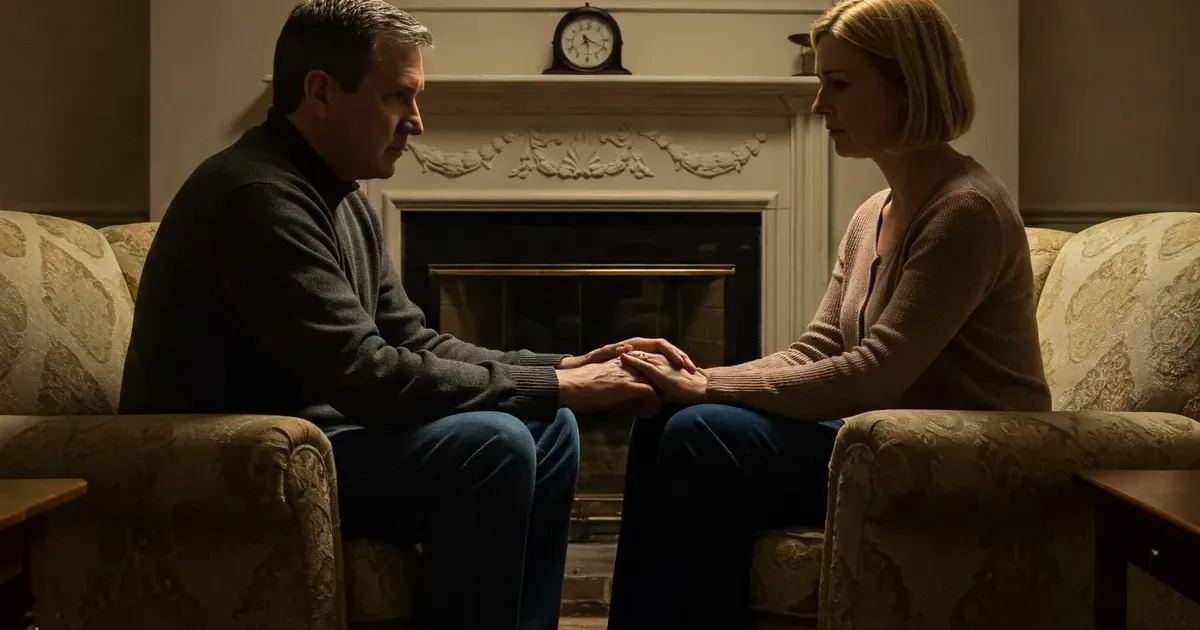
Sometimes the most supportive thing is to sit with her in silence, offering a hug or holding her hand. Your calm presence can say more than any words. Your goal isn't to stop her tears. It's to show her she doesn't have to cry alone. Showing up consistently builds trust and reminds her that you are a team moving through this loss together.
Taking Care of Practical Matters
The physical and emotional drain after a miscarriage can make everyday tasks feel impossible. Stepping up with practical help is a concrete way to show your support and give her space to heal. Offer to take over household tasks like cooking, cleaning, laundry, and grocery shopping. Handle calls and messages from family and friends so she doesn't have to keep retelling the story. Offer to go with her to follow-up appointments, both for support and to help absorb information.
Think about creating a buffer around her. Gently manage visitors or calls if she feels overwhelmed. Protect her time and energy. It's also fine to accept help from others who offer to bring meals or run errands. That lightens the load for both of you. Taking care of these practical needs shows your care in a visible way. It frees her to focus on healing. This kind of proactive support shows you understand the weight of what happened and are ready to share the burden.
Communication is Key: Talking Through the Loss
Talking after a miscarriage takes care, honesty, and a real willingness to listen. How you communicate, both what you say and how you respond to each other's different ways of grieving, can shape how you both heal and how your relationship handles this hard time.
What to Say (and What to Avoid)
Finding the right words can feel impossible. Often, simple and sincere is best. Start with "I'm so sorry for our loss" or "I'm so sorry you're going through this." Acknowledging the loss and the baby she carried is key. Let her lead the conversation. Listen more than you speak. Let her talk about the baby or her grief as much as she needs to. Ask open-ended questions gently, like "How are you feeling today?" Reassure her that the miscarriage was not her fault.
It's just as important to know what not to say. Avoid phrases that minimize the loss, even if well-meaning. Steer clear of anything that starts with "At least..." like "At least it was early," "At least you know you can get pregnant," or "At least you have other children." Saying "It wasn't meant to be," "It was nature's way," or "You can always try again" can feel dismissive and hurtful. Don't say "I know how you feel," because even though you share this loss, her physical and emotional experience is her own. Focus on listening, validation, and being present rather than looking for silver linings.
Navigating Different Grieving Styles
It's common and completely normal for partners to grieve differently after a miscarriage. Research and lived experience often show that women are more likely to express sadness openly and want to talk about their feelings. Men often process grief internally, pull back, express anger, or focus on activity and problem-solving. This difference doesn't mean one person cares more or less. It's just a different way of coping. As the partner, you may focus on being strong and supportive, which can make you appear less affected on the outside while you're struggling on the inside.
These different styles can cause misunderstanding and conflict if not named. She may feel unsupported if you go quiet. You may feel overwhelmed or criticized if she needs to talk constantly. The key is open communication. Talk about how you're each feeling and how you're grieving. Recognize your differences without judgment. Say things like: "I know I get quiet when I'm hurting, but it doesn't mean I don't care. How can I best support you right now?" Ask her: "What do you need from me today?" Scheduling short, regular check-ins to talk about your feelings can stop misunderstandings from building up.
Don't Forget Yourself, Dad: Your Grief Matters Too
While supporting your partner, your own grief can easily get overlooked, by others and sometimes by yourself. But miscarriage is a shared loss. Your feelings are valid and they matter. Acknowledging and addressing your own grief isn't selfish. It's necessary for your well-being and for your ability to support her over time. Dads grieve too, and finding healthy ways to cope is vital.
Acknowledging Your Own Loss and Feelings
Society often expects men to be strong and stoic, especially in a crisis. Friends and family may ask how your partner is doing while forgetting to check on you. You may even feel pressure to hide your sadness so you don't upset her. But suppressing your grief isn't healthy. It's crucial to recognize that this loss happened to you too. You lost a child, a future, and hopes and dreams.
It's normal for fathers to feel a range of emotions: shock, confusion, anger, frustration, deep sadness, guilt, a sense of failure, or a feeling of helplessness because you couldn't fix it. You might feel disconnected or numb. Some men feel less strongly attached than their partners, especially early in the pregnancy. Others feel the loss just as sharply. There is no right or wrong way to feel. Give yourself permission to not be strong all the time. Your grief isn't secondary. It runs alongside your partner's, and acknowledging it is the first step toward healing.
Healthy Coping Strategies for You
Ignoring your pain won't make it go away. It often prolongs the hurt or leads to unhealthy ways of coping. Be careful with avoidance, like burying yourself in work, over-exercising, using substances, or withdrawing completely. Short-term distraction may feel necessary, but long-term avoidance can be destructive.
Instead, find healthy ways to cope. Talk about your feelings with someone you trust: your partner (if possible, knowing your styles differ), a friend, family member, or colleague. Physical activity, hobbies, or creative outlets can also be good ways to process emotions. Consider finding ways to honor the baby, perhaps together with your partner, like planting a tree or creating a memento. Seek out support specifically for dads. Look for bereaved fathers support groups, online forums, or organizations that recognize the unique experience of fathers' grief. Connecting with other men who understand can help fight the feeling of isolation. Taking care of your own mental health also makes you a better support for your partner.
Navigating Your Relationship Together
Miscarriage affects the relationship. The shared trauma can strain how you talk, how you connect physically, and how you think about the future. But working through these challenges with honesty and care can also strengthen your bond. Naming the likely friction points and talking about them early is key to healing together.
Impact on Intimacy and Sex
Physical intimacy often takes a back seat after miscarriage, and bringing it back takes patience and understanding from both partners. Physically, doctors usually advise waiting until bleeding stops (often one to two weeks, sometimes longer) before resuming sex. The cervix needs time to close to prevent infection.
Emotionally, the path back to sex can be complex. Your partner may feel disconnected from her body, feel pain, or associate sex with the loss. You may both have different levels of desire. One of you may crave closeness while the other feels anxious, numb, or simply not ready. Grief, hormonal changes, and fear can all affect libido. Communicate openly about how you each feel and what you're each ready for, without pressure. If one or both of you aren't ready for sex, focus on other forms of closeness: hugging, cuddling, holding hands, massage, long talks, or time together. Redefine intimacy for this season. Prioritize connection and mutual comfort. If pain continues or emotional blocks feel too large, talk to a doctor or therapist.
Talking About Trying Again
The conversation about trying to conceive after miscarriage is deeply personal and often layered with complex emotions. There's no "right" time, and you and your partner may feel differently. One of you may want to try again soon as a path to healing. The other may need more time to grieve and recover. Physically, it's possible to conceive as soon as two weeks after a miscarriage, but some doctors suggest waiting for at least one full menstrual cycle. The right timing depends on circumstances like the type of miscarriage or if you've had recurrent losses.
Approach this conversation with care. Recognize that fear of another loss is common and valid. Talk openly about the anxiety that comes with pregnancy after loss. Frame the discussion not as replacing the baby you lost but as deciding together when, or if, you feel ready to start a new path. If you've had two or more losses, consulting a specialist for testing before trying again may be a good idea. In the end, the decision should be mutual. It should respect both partners' timelines and emotional states.
Seeking External Support: You Don't Have to Go It Alone
While supporting each other is vital, sometimes the weight of grief calls for additional help. Knowing when to reach out and where to find support, whether for your partner, for yourself, or for you as a couple, is a real part of the healing process. Many organizations and professionals are dedicated to helping people through this difficult time.
Knowing When to Seek Professional Help
Grief is a natural response to loss, but it can sometimes become overwhelming. Watch for signs that either of you may need professional support. These include: persistent and intense sadness, trouble functioning day to day, prolonged sleep or appetite problems, overwhelming guilt or hopelessness, anxiety or panic attacks, symptoms of PTSD (flashbacks, nightmares, strong avoidance), or thoughts of self-harm. If grief feels stuck, is seriously affecting your relationship, or has developed into clinical depression or anxiety, seeking help from a therapist, counselor, or doctor is the right call.
Miscarriage counseling or grief therapy after pregnancy loss can give you tools for coping, processing emotions, and improving communication. Therapy can help individually or as a couple. Reaching out for professional help is a sign of strength and self-awareness, not weakness. Your healthcare provider can often offer referrals.
Support Groups and Organizations
Connecting with others who have been through similar losses can be deeply validating and help reduce the feeling of being alone. Many organizations offer miscarriage support groups and pregnancy loss resources, both online and in person. Many provide targeted support for fathers and couples.
These groups offer safe spaces to share stories, swap coping strategies, and find community. Different organizations have different approaches, some peer-led, some professionally supported, some faith-based, so explore your options to find what fits best for you and your partner. Helplines and online forums also give easy access to support. Don't hesitate to explore these resources. They exist because pregnancy loss is common and support makes a real difference.
Frequently Asked Questions
- Say you are sorry. Say you love them. Say the loss was real. Do not say 'at least it was early,' 'at least you know you can get pregnant,' or 'you can try again.' There is nothing to fix. Your presence and acknowledgment of the loss are what matter.
- By getting your own support, a friend, a therapist, a support group, so that your grief has somewhere to go besides into the relationship during its most fragile period. You can grieve in parallel with your partner without requiring each other to carry the full weight.
- Longer than most people expect, weeks to months, with grief recurring at anniversaries, the due date, and during subsequent pregnancy attempts. Regular check-ins matter after the first month, not just in the immediate aftermath.
- Handle logistics, food, appointments, notifying people if your partner does not want to. Give them permission to rest without explaining it to others. Keep the baby's name or the pregnancy alive in conversation if they want it to be. Our article on supporting your partner through miscarriage covers what helps most.
- By not interpreting their intensity against your scale. Your partner may have had a more embodied relationship to the pregnancy; their grief may be more immediate and visible. This does not mean yours is not real, or that either of you is grieving incorrectly.
- Yes. Particularly if the miscarriage involved medical emergency, visible blood loss, or significant fear for your partner's health. Partners can develop trauma responses that warrant their own professional support. This is not dramatizing — it is recognizing a real experience.
Ready to get support for Grief & Loss?
Our PMH-C certified therapists specialize in Grief & Loss and can typically see you within a week.
Not ready to book? Dr. Emily writes a short email series on Grief & Loss, honest and practical, from a PMH-C therapist who's been through it herself.
No spam · Unsubscribe anytime