Community Advocacy
13 articlesStarting support groups, building awareness, reducing stigma, and driving perinatal mental health access in your community.

Building Perinatal Mental Health Awareness in Your Community
A complete guide for community organizations, PSI chapters, home visiting programs, and community health workers on building grassroots perinatal mental health awareness, from support group infrastructure to stigma reduction campaigns to referral network development.
Read article →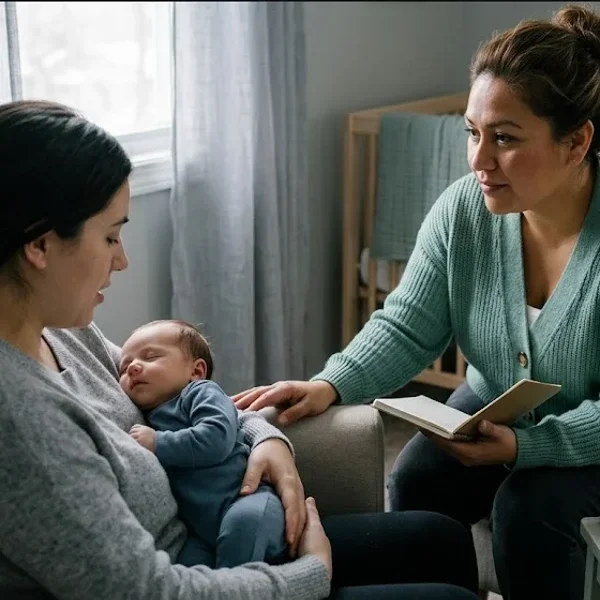
Community Health Worker Training for PMAD Identification and Referral
Community health workers are frontline connectors for high-risk families who may not access clinical care. A practical training guide covering PMAD recognition, scope-appropriate support, referral language, and follow-up for CHWs working in home visiting, WIC, and community health settings.
Read article →
Reducing PMAD Stigma in Underserved Communities
PMAD identification and treatment rates are significantly lower in communities of color, immigrant communities, and low-income populations. A guide for community organizations on understanding the barriers, using culturally responsive approaches, and building trust-based pathways to care.
Read article →
How to Start a Perinatal Mental Health Support Group
Peer support groups for postpartum depression and anxiety are among the most effective community mental health resources. A practical guide for community organizations, PSI chapter leaders, and lay facilitators on starting and sustaining a perinatal mental health support group.
Read article →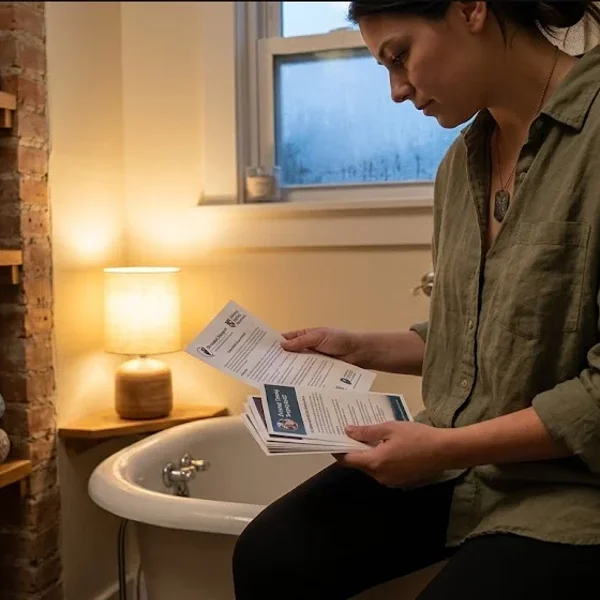
Perinatal Mental Health Resources for Military Families
Military families face unique perinatal mental health challenges: deployment, relocation, provider access on and off-base, and the specific stressors of military life. A resource guide for community organizations and support programs serving military families.
Read article →
Supporting LGBTQ+ Parents Through Perinatal Mental Health Challenges
LGBTQ+ parents face specific perinatal mental health risk factors, including minority stress, fertility treatment burden, inadequate representation in perinatal care, and unique family dynamics. A guide for community organizations on affirmative support and effective referral.
Read article →
Pregnancy and Infant Loss: Community Support and Referral Resources
Pregnancy loss, stillbirth, and infant death are distinct grief experiences that require specialized community support. A guide for community organizations, peer support leaders, and bereavement programs on how to support bereaved families and connect them to clinical resources.
Read article →
Faith Community Guide to Perinatal Mental Health Support
Faith communities are trusted institutions with sustained relationships with families during the perinatal period. A practical guide for pastors, lay leaders, and faith-based social service programs on supporting congregants through PMADs within appropriate pastoral scope.
Read article →
Home Visiting and PMAD Identification: A Field Guide
Home visitors see what clinicians in offices never do. This field guide covers PMAD risk signals, documentation, scope of practice, and referral language for resistant clients.
Read article →
Community Outreach Language for Postpartum Mental Health
CHWs and peer supporters need language that opens conversations without pathologizing. This guide covers phrases, cultural nuance, and when to shift from support to referral.
Read article →
Perinatal Mental Health Disparities: A Community Guide
PMAD rates are higher in BIPOC, low-income, and immigrant populations due to structural factors, not personal weakness. This guide covers barriers and what organizations can do.
Read article →
Building a Postpartum Peer Support Program: Community Guide
Peer support complements clinical PMAD care but requires specific training, scope clarity, and supervision. This guide covers program structure, training, escalation, and referral pathways.
Read article →
Perinatal Mental Health Access: A Community Advocate Guide
Structural barriers -- insurance gaps, provider shortages, language access -- keep postpartum families from PMAD care. This guide covers federal resources, telehealth gaps, and advocacy levers.
Read article →Partner with Phoenix Health
We work with community organizations to expand perinatal mental health access.