Perinatal mental health support grounded in cultural respect and real understanding.
No commitment. We'll confirm your coverage before your first session.

Dr. Emily Guarnotta
Psychologist & Founder
From our founder
When I had my first child, I was shocked by the challenges I faced as a new mother.
Like so many women, the shame of postpartum depression and anxiety kept me silent for nearly two years. When I began working with postpartum clients, I was struck by how many stories were so similar to my own.
I founded Phoenix Health to make it easier for new mothers like me to find the right help.
What therapy looks like
Our therapists for Indigenous Parents
Most Phoenix Health therapists hold PMH-C certification — the gold standard in perinatal mental health.
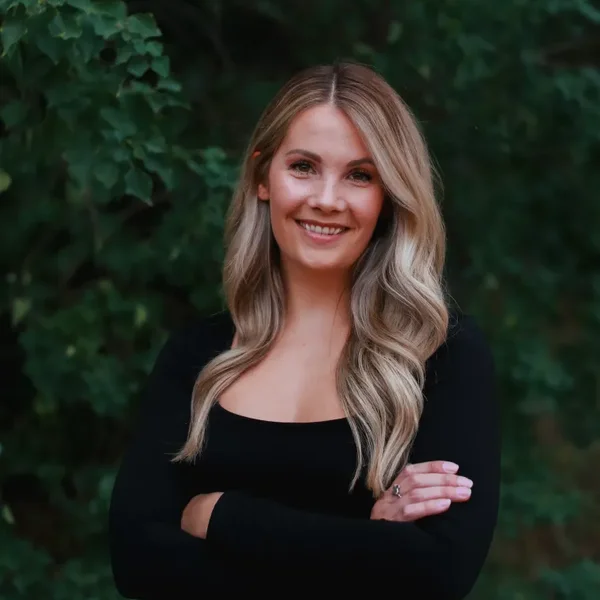
Amanda Flowers
LPC, PMH-C · Licensed therapist
Works with perinatal OCD and neurodivergence, using body-based tools to calm the nervous system.
Licensed in TX, MT
%20(1).png)
Natalia Cruz Navarro
EspañolLCSW · Licensed therapist
12+ years with families through high-risk pregnancies, fetal diagnoses, and NICU stays.
Licensed in CA
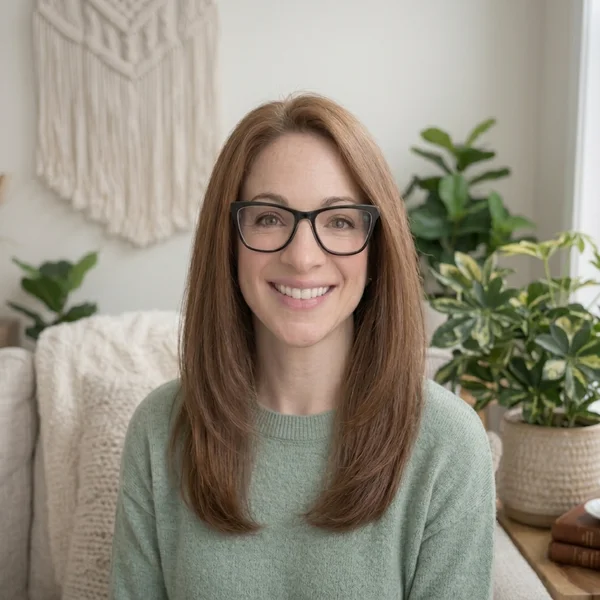
Lyndsay Ward
LCSW, PMH-C · Licensed therapist
An attachment theory expert who helps you unpack how your childhood shows up in your parenting.
Licensed in NY

Golda Fleischman
LMSW · Licensed therapist
A birth doula before she was a therapist, she helps you prepare for a birth or process a hard one.
Licensed in NY
Stories that may sound familiar
These are examples, not client reviews. We don't publish our clients' words. What's said in therapy stays there.
“My emergency C-section left me with nightmares and panic attacks. I couldn't talk about the birth without shaking. Therapy helped me process the trauma and reclaim my story. I'm pregnant again now, and I actually feel ready.”
“I had intrusive thoughts that terrified me. I was too ashamed to tell anyone, even my partner. My therapist explained postpartum OCD and helped me understand I wasn't dangerous. The intrusive thoughts are 90% gone now. I wish I'd reached out sooner.”
“After three failed IVF rounds, I was told to just stay positive. My therapist was the first person who acknowledged the grief, the anger, and the exhaustion, and helped me process what I had been through. I finally felt seen.”
Expert care.
Covered by insurance.
We're in-network with major plans in 11 states so you can receive care without financial stress.
Most clients pay less than $20 per session.
We verify your benefits before your first session — no surprises on cost.
Accepted Insurance Networks





Ready to book? Here’s how it works.
The whole process takes about 5 minutes. We handle insurance — you just show up.
- 1
Book your free call
A quick 15-minute chat to hear what you're going through, answer your questions, and make sure we're a great fit for your needs. No cost, no commitment.
- 2
Get matched
We'll pair you with the right specialist for your specific situation. We'll also check your insurance, so you know your exact cost per session before moving forward.
- 3
Start your first session
Meet your therapist from the comfort of home. No commute, no waiting rooms, no judgment. Most clients notice a real difference within just 2 to 3 sessions.
No commitment · Most insurance accepted · Available this week
Common questions
- Yes, and your distrust is not a barrier we need you to get over before we can help. The history behind it is real, and a good therapist will not require you to pretend otherwise. The first conversation is about understanding what you need and whether we can provide it — not about convincing you to trust a system.
- Our team includes therapists who approach Indigenous perinatal mental health with genuine cultural understanding, not a generic diversity framework. We can tell you more about available therapists and their approach in a first conversation.
- Yes. Traditional and community-based healing practices are not in conflict with clinical therapy — they are often complementary, and for many Indigenous parents they carry meaning and effectiveness that no Western clinical modality replicates. Your therapist will work with what you are already doing, not replace it.
Trusted by leading voices in parenting and mental health
OBs, doulas, and pediatricians refer their patients to us because we specialize in maternal mental health.






The sooner you start,
the sooner you'll
feel like yourself again.
You've been surviving. It's time to start healing.
No commitment · Covered by insurance · Available this week