What you experienced was real. And you're not alone in the recovery.
Therapists in El Paso, Texas
"Something felt very wrong. I wasn't just sad — I wasn't thinking straight and the people around me were scared."



 +14 more
No commitment. We'll confirm your coverage before your first session.
Virtual therapy for El Paso families
El Paso sits 800 miles from Houston, closer to Los Angeles than to Dallas, in the far western corner of a state that often forgets it. The city is majority Latino, has a large active-duty military population at Fort Bliss, and has a mental health infrastructure that reflects its geography and its funding: limited perinatal specialists, long wait times, and a cultural expectation in both Mexican-American and military communities that you handle things inside the family. Postpartum depression and perinatal anxiety don't respond to that expectation. They also don't respond to the geographic reality of being in one of the most isolated large cities in the country. A PMH-C certified therapist within reasonable driving distance is genuinely hard to find in El Paso. Most families end up on wait lists, or going without, or navigating care across the border, which is its own logistical complexity. William Beaumont Army Medical Center (WBAMC) is the primary military healthcare facility at Fort Bliss. Military families dealing with postpartum or perinatal mental health can access TRICARE-covered telehealth, which removes the wait and the drive. Phoenix Health therapists hold PMH-C certification and typically see El Paso clients within one week of intake, by secure video. We accept TRICARE for active-duty dependents and major civilian insurance plans. For families in West El Paso, East El Paso, Horizon City, and Socorro, telehealth is the most practical path to a perinatal specialist without the wait.
El Paso neighborhoods: West El Paso · East El Paso · Northeast El Paso · Horizon City · Socorro
You might benefit from therapy if…
- ✓You experienced postpartum psychosis and you're in recovery, trying to make sense of what happened
- ✓You feel disconnected from your baby because of what happened, and you want to repair that
- ✓You're afraid of having another baby, or you're weighing it carefully
- ✓You're grieving the early weeks postpartum, which were taken from you
- ✓You have a family history of postpartum psychosis or bipolar disorder and you're trying to be prepared
- ✓You're processing the trauma of hospitalization, separation from your baby, or what people around you experienced

Dr. Emily Guarnotta
Psychologist & Founder
From our founder
Recovery from postpartum psychosis is real and it is achievable. I want to say that clearly because so much of what gets written about psychosis is catastrophic, and that catastrophic framing keeps people from believing they can come back. They can, and they do. The work is careful and it takes time, and it is worth doing.
What therapy looks like
Our Postpartum Psychosis specialists in El Paso, Texas
Most Phoenix Health therapists hold PMH-C certification — the gold standard in perinatal mental health.
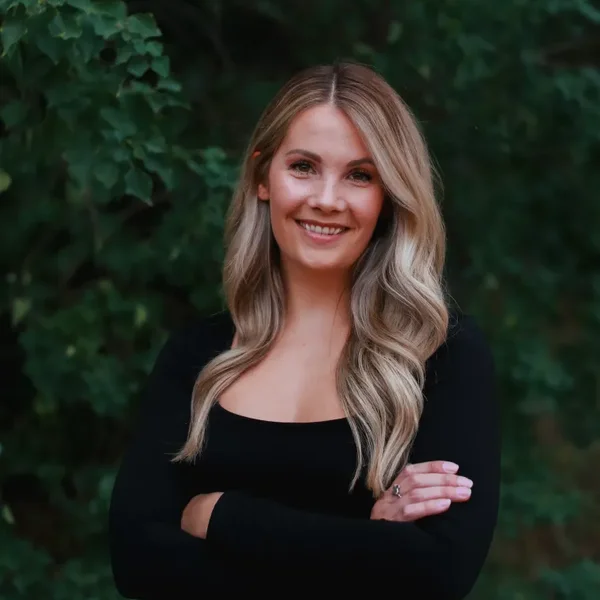
Amanda Flowers
LPC, PMH-C · Licensed therapist
Works with perinatal OCD and neurodivergence, using body-based tools to calm the nervous system.
Licensed in TX, MT
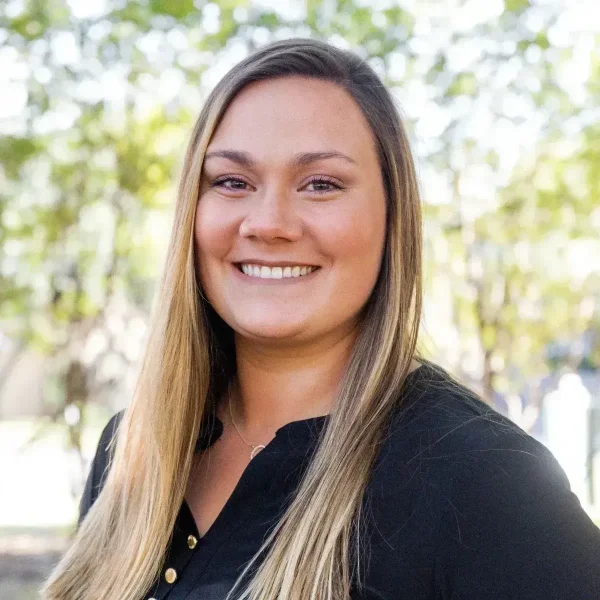
Ashlyn Parides
PHD, PMH-C · Psychologist
Direct and active. She'll help you start with one small change you can keep, not a whole-life overhaul.
PsyPact provider — 40+ states
Stories that may sound familiar
These are examples, not client reviews. We don't publish our clients' words. What's said in therapy stays there.
“"My family didn't understand what had happened to me and I didn't know how to explain it. Postpartum psychosis isn't something anyone talks about and the silence made recovery lonelier. My therapist was the first person who treated it as a medical event I survived, not something to be ashamed of. That framing saved me more than anything else."”
“"After my son was born I was hospitalized for two weeks. I know I needed it. Coming home was one of the hardest things I've ever done because I was terrified of my own mind. My therapist helped me trust myself again slowly, helped me understand my warning signs, and eventually helped me believe I could be a good mother after everything that happened."”
“"I don't fully remember the first two weeks after my daughter was born. Getting the right diagnosis and treatment happened fast and recovery was slow. My therapist helped me process what I'd been through and helped me come back to myself as a mother without shame about something I had no control over."”
“I lost the first three weeks of my daughter's life to psychosis and hospitalization. The grief was enormous, and so was the shame. Two years of careful work and I have my life back. My relationship with my daughter is strong. I never thought either of those sentences would be true again.”
Expert care.
Covered in Texas.
- ✓Aetna (incl. CVS Health, First Health, & Meritain)
- ✓BCBS (incl. Anthem, Blue Cross, Blue Shield, & state plans)
- ✓Cigna / Evernorth
- ✓United Healthcare (UHC) / Optum (incl. UBH, UMR, Surest, Oscar, & Oxford)
Most clients pay less than $20 per session.
Accepted Insurance Networks
Ready to start Postpartum Psychosis therapy? Here’s how it works.
The whole process takes about 5 minutes. We handle insurance — you just show up.
- 1
Book your free call
A quick 15-minute chat to hear what you're going through, answer your questions, and make sure we're a great fit for your needs. No cost, no commitment.
- 2
Get matched
We'll pair you with the right specialist for your specific situation. We'll also check your insurance, so you know your exact cost per session before moving forward.
- 3
Start your first session
Meet your therapist from the comfort of home. No commute, no waiting rooms, no judgment. Most clients notice a real difference within just 2 to 3 sessions.
No commitment · Most insurance accepted · Available this week
Common questions
- Most people who experience postpartum psychosis fully recover with treatment. The picture in the months immediately after can feel overwhelming, but recovery is real, and people do come back to themselves. That's what the research shows, and it's what we see in our practice.
- The recurrence rate for postpartum psychosis is significantly elevated in subsequent pregnancies, but it is not 100%, and it is manageable with careful prevention planning. Many people who had postpartum psychosis go on to have additional children with planning, a coordinated mental health team, and prophylactic medication in many cases. That's a decision to make with your psychiatrist, your therapist, and your partner over time.
- Postpartum OCD involves intrusive thoughts you recognize as not matching reality. You're distressed by them precisely because they go against who you are. Postpartum psychosis involves a loss of contact with reality, often with hallucinations or delusions, and the person may not recognize the experience as a mental health crisis. They are not on a spectrum.
- This is one of the most painful pieces of recovery for many clients. The people around you went through their own trauma, and trust often needs to be rebuilt deliberately. Therapy can support that process, sometimes with individual work and sometimes with family sessions added in. It is repairable.
- Yes. Phoenix Health provides telehealth therapy to residents of Texas. Sessions are conducted via secure video from your home, office, or anywhere private — no commute required. All Phoenix Health therapists are licensed and authorized to practice in Texas.
- PMH-C (Perinatal Mental Health Certification) is awarded by Postpartum Support International (PSI) to clinicians who have completed advanced training in perinatal mental health — covering postpartum depression, anxiety, OCD, birth trauma, and related conditions. It represents the gold standard of specialization in this field.
- If you're struggling — with your mood, your thoughts, your relationship, or just how you're coping — that's enough of a reason to talk to someone. You don't need a diagnosis. A free consultation is a low-commitment first step.
From the Phoenix Health resource center
Articles and guides about postpartum psychosis
Trusted by leading voices in parenting and mental health
OBs, doulas, and pediatricians refer their patients to us because we specialize in maternal mental health.






Recovery is real.
And so is the support
that gets you there.
Most people who experience postpartum psychosis fully recover with the right treatment.
No commitment · Covered by insurance · Available this week
Learning resources
⚡Read our Postpartum Psychosis guides →Often goes alongside